

Barefoot sneakers tested to one million flexes
Article overview
- Why do we test barefoot sneakers up to one million flexes?
- Why you can rely on the iconic Zing sneakers
- What does one million flexes mean in real life?
- What does shoe testing look like in a lab?
- Which part of the sneaker takes the most stress?
- Why materials are crucial for barefoot shoes
- Durability starts at the design stage
- Can our barefoot sneakers handle more than a million flexes?
- Introducing the new Zing Denim
Why do we test barefoot sneakers up to one million flexes?
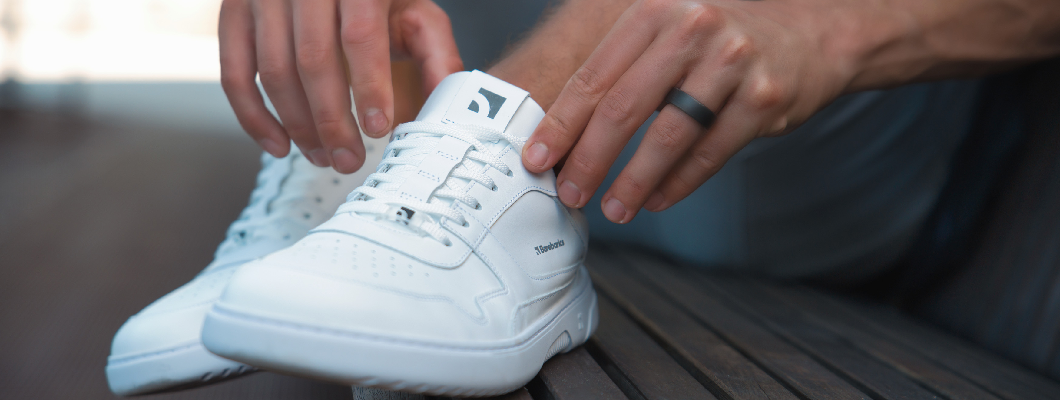
Every quality shoe should go through serious testing. Traditional casual footwear is typically tested for around 150,000 flexes. Barefoot shoes, however, are a completely different category. They have thinner soles, more flexible materials and move much more dynamically with the natural motion of your foot. That means they bend far more often than conventional shoes with rigid soles. Every step in barefoot sneakers creates a pronounced bend in the front part of the shoe known as the flex zone. If you take a healthy 10,000 steps per day, the flex zone works thousands of times. Our logic was simple. If barefoot footwear is meant to be extremely flexible, it must also be exceptionally durable. That is why at Barebarics we test our shoes for at least 500,000 flexes. Some models go even further.
The iconic Zing sneakers you can count on
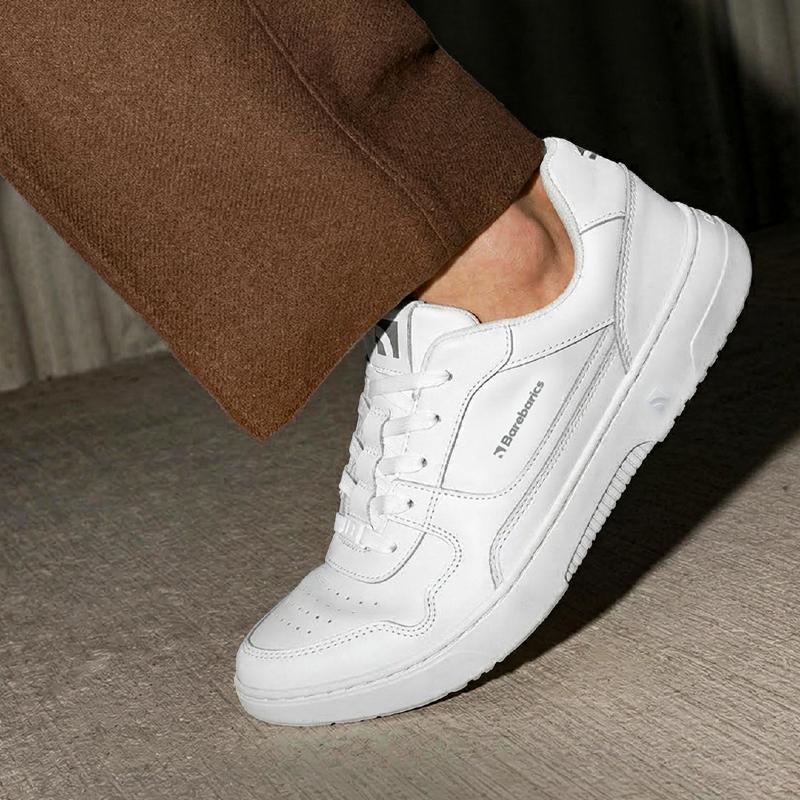
Zing sneakers are built specifically for this kind of load. Their construction is designed to handle millions of steps, fast paced city days and spontaneous weekends exploring new places. The flexible and highly durable sole supports natural movement step after step, while premium upper materials maintain their shape even after long term wear. Zing sneakers did not become iconic by chance. Their popularity comes from the balance of minimalist design, resilient materials and an extremely durable sole. We are confident they will stay with you for years. We wear them ourselves and stand behind them fully. That is why we offer a guarantee on the flex zone. If the sneaker cracks at the bend point, we will replace your pair.
What does one million flexes actually represent?
One million flexes simulate the stress a shoe experiences throughout its lifespan.
During testing we monitor several key factors:
- whether the sole cracks
- whether the sole separates from the upper
- whether the material in the flex zone starts to crack or degrade
The flex zone is the most critical part of any shoe
The most common failure point in footwear appears exactly where the shoe bends. In the flex zone. If a shoe can withstand one million flexes without issues, it means it can walk a long stretch of life with you.
How shoe testing works in the lab
Testing takes place in controlled laboratory conditions where the bending motion and intensity can be precisely managed. The shoe is mounted into a specialized machine that repeatedly bends it at an angle of roughly 60 degrees. The key detail is that the entire shoe is not bent randomly. The test focuses exactly on the area that experiences the greatest stress during walking.

Which part of the sneaker takes the most stress?
If shoes had an Achilles heel, it would be the flex zone. This is the area under the toes where your foot naturally bends with every step. The test replicates the exact motion the shoe experiences during everyday wear. One million flexes therefore represent an extreme load capable of revealing even minor weaknesses in construction or materials. That is why the structure must be carefully engineered, the materials resilient and the connection between the sole and upper extremely strong.
Why materials matter so much in barefoot footwear
With barefoot shoes, materials determine everything. If they are too stiff, the shoe will not flex naturally. If they are too soft, they wear out quickly. That is why material development is one of the longest and most important stages in creating our sneakers. Different materials behave differently during bending. Textile materials tend to hide creasing almost completely. Leather may show creases more visibly. Creasing itself is not a problem. It is a natural result of movement. What truly matters is that the material does not crack.
Durability begins at the design stage
Testing is essential, but it is only one part of the process. Our designers and footwear engineers examine every detail of a sneaker long before the first prototype is made. At the design stage we do not focus only on appearance or immediate comfort. We also think about how the shoe will behave after thousands of steps, how it will respond to repeated bending in the flex zone and how long it will maintain its functionality. The rubber compound used in the sole also plays a major role. It is developed to remain elastic enough for natural foot movement while staying extremely durable. During development we focus on abrasion resistance, reliable grip and stability across various surfaces, from urban asphalt to pavement and sidewalks.

Can our barefoot sneakers handle more than one million flexes?
Yes. But their lifespan also depends on how you wear them and how you care for them. Three factors make the biggest difference.
1. Choosing the correct size
If your barefoot sneakers are too large, your foot moves inside the shoe and friction occurs. This friction can damage the insole and internal materials. If the sneakers are too small, the material stays constantly stretched and under pressure. Over time it may crack more quickly. Both situations reduce the overall lifespan of the shoes.
2. Rotating your shoes
After a long day your body needs time to recover. The same applies to your shoes. Ideally you should have at least two pairs and rotate them. If you wear the same sneakers every day, signs of wear will naturally appear sooner.
3. Proper sneaker care
Clean your sneakers using the appropriate products available in our store. After each wear remove the insoles and allow them to dry. It is also recommended to replace insoles more regularly for better hygiene and improved comfort while walking. When you care for your shoes properly and wear the correct size, one million flexes are only the beginning of their story with you.
New arrival Zing Denim
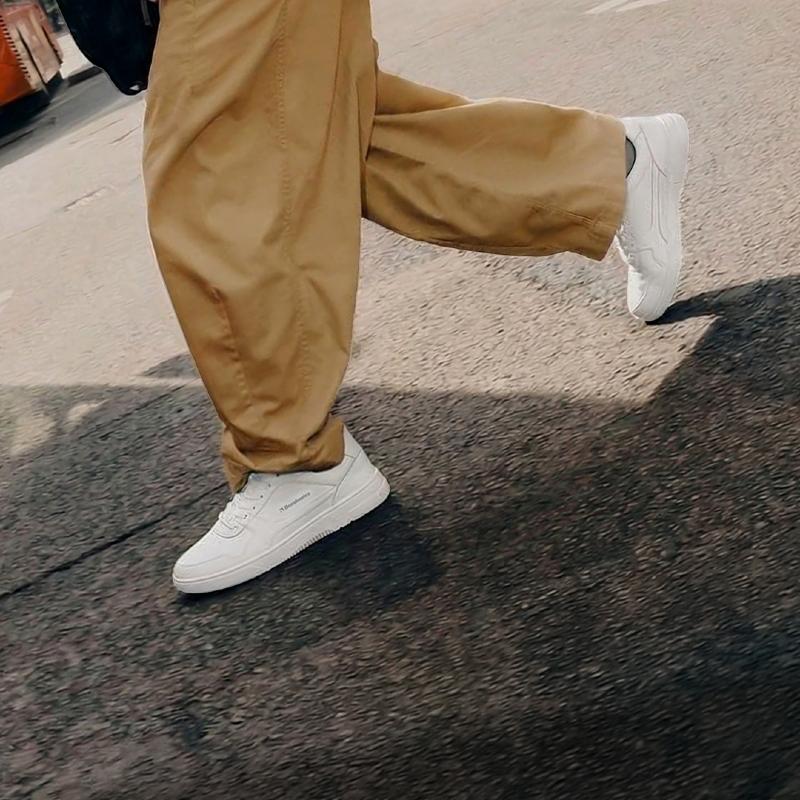
We tested them to one million flexes and they are finally here. Zing Denim was designed for those who move through the city on their own terms. The frayed denim detail reflects the spontaneous energy of urban life. The material is durable and ready to take its first million steps with you and many more after that. Take a look at the new release on our website. This is a pair you will want in your rotation.
Find your size using our sizing guide
Explore the current barefoot sneaker collection
Contact us if you need advice
Sources
Lieberman, D. E. et al. (2010). Foot strike patterns and impact forces in habitually barefoot versus shod runners. Journal of Biomechanics.


How long do barefoot sneakers last?
+ -The lifespan depends on how often they are worn and how well they are maintained. With the right size and regular care, barefoot shoes can easily last several seasons.
Why is the flex zone under the most stress?
+ -Because the foot naturally bends in this area with every step. That makes it the point where the greatest mechanical load occurs.
Are creases in the material a problem?
+ -No. With leather especially, creasing is completely natural and occurs with regular bending of the shoe.
Why do barefoot shoes require stricter testing?
+ -Because they are more flexible than traditional footwear. Greater flexibility means higher stress on the materials.